 da Re-Fit
Vascular Care in Korea: What International Patients Should Know
Medical tourism in Asia has grown over the past two decades.
Medical tourism in Asia has grown over the past two decades. Patients from Southeast Asia, the Middle East, Central Asia, and beyond now regularly travel for procedures ranging from cardiac surgery to orthopedics — and increasingly, for specialized vascular care. Korea is one of the destinations these patients consider.
Several things are relevant when weighing it up: medical training, infrastructure, available technology, and practical logistics.
Training, Accreditation and Guidelines
Korean medicine has changed considerably over the past 30 years. Specialist training ends in a national board examination, and a number of major academic medical centers have pursued international accreditation such as JCI (Joint Commission International).
In vascular medicine specifically, Korean specialists refer to guidelines from the Society for Vascular Surgery (SVS), the American Venous Forum (AVF), and the Union Internationale de Phlébologie (UIP). Under these guidelines, decisions rest on duplex ultrasound mapping and hemodynamic assessment rather than on appearance alone.
Available Endovenous Technologies
FDA- and CE-cleared endovenous technologies are in use in Korea. VenaSeal (medical-grade cyanoacrylate closure), cleared in the United States in 2015, was subsequently introduced in Korean clinics. ClariVein (mechanochemical ablation) and 1470nm radial-fiber laser systems are also in use.
For international patients, this means the main endovenous options are available here. Which of them is suitable, if any, is decided after examination.
Medical Infrastructure
Seoul, where most international patients seek care, has major university hospitals, specialized cardiovascular centers, and outpatient clinics within a compact geography. Should an unexpected complication arise after an elective venous procedure, hospital-level care is available nearby.
Practical Accessibility
Direct flights connect Incheon International Airport to most major Asian cities, the Middle East, Australia, and Europe. For varicose vein treatment specifically, endovenous procedures are performed under local anesthesia and usually take 30–90 minutes. How long to stay in Seoul, and when you can fly home, are advised after an individual assessment and depend on the examination and the treatment performed; we do not promise a fixed short stay.
How Consultations Work at da Re-Fit Clinic
Consultations at da Re-Fit Clinic involve a duplex ultrasound examination, a clear explanation of findings, and written documentation of what was identified and why a particular approach is recommended. If treatment is not indicated, that is communicated directly. Costs vary by treatment and are explained after the examination, before you decide.
Frequently asked questions
- Which endovenous varicose vein treatments are in use in Korea?
- FDA- and CE-cleared endovenous technologies are in use in Korea. VenaSeal (medical-grade cyanoacrylate closure), cleared in the United States in 2015, was subsequently introduced in Korean clinics. ClariVein (mechanochemical ablation) and 1470nm radial-fiber laser systems are also in use.
- How long do international patients usually stay in Korea for varicose vein treatment?
- How long to stay in Seoul, and when you can fly home, are advised after an individual assessment and depend on the examination and the treatment performed; we do not promise a fixed short stay.
- Which guidelines do Korean vascular specialists refer to for varicose veins?
- In vascular medicine specifically, Korean specialists refer to guidelines from the Society for Vascular Surgery (SVS), the American Venous Forum (AVF), and the Union Internationale de Phlébologie (UIP). Under these guidelines, decisions rest on duplex ultrasound mapping and hemodynamic assessment rather than on appearance alone.
- How long does an endovenous varicose vein procedure take, and what anesthesia is used?
- For varicose vein treatment specifically, endovenous procedures are performed under local anesthesia and usually take 30–90 minutes.
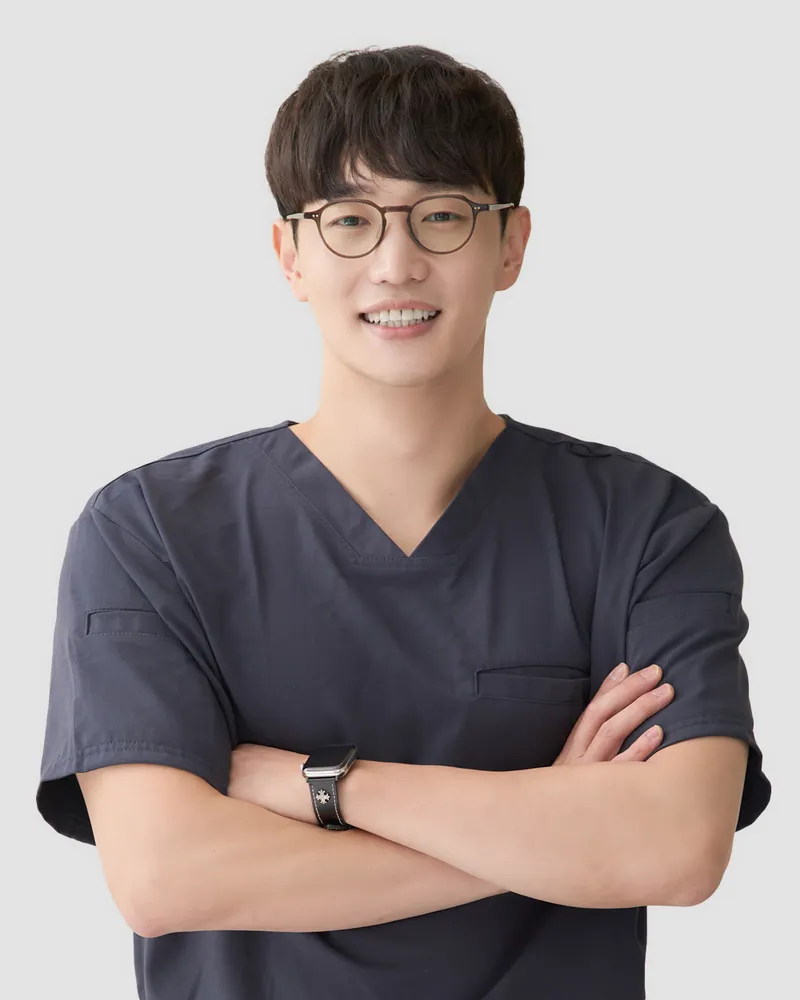
Don't navigate your leg symptoms alone
From precise duplex ultrasound diagnosis to treatment — consult directly with board-certified surgeons trained at Asan Medical Center.
Language support is available through our interpretation system.